
-
Executive Standard: SA299 Gr. B steel plates comply with the ASME standard, specifically ASTM A299/A299M.2026-08-26
-
SA299 is a carbon-manganese-silicon steel plate designed for pressure vessels—often referred to as "gas drum steel" under US standards.2026-08-19
-
ntroduction to SA299 Gr.A Steel Plate:
SA299 Gr.A is a steel plate grade designated for boilers and pressure vessels under American standards.2026-08-11 -
A285 Gr.C and SA285 Gr.C steel plates represent the same grade, though they are governed by different standards.2026-08-04
-
SA283 Gr.B is a low-to-medium strength carbon structural steel plate conforming to the American Society of Mechanical Engineers (ASME) standard.2026-07-31
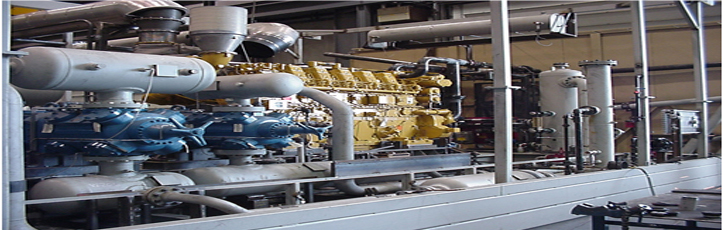
JIS G 3103 SB 450 steel is a specialized low-alloy, high-strength steel plate designed for pressure vessels. It features high strength and toughness, excellent weldability and processability, environmental durability, and stable quality control.
High Strength and Toughness
Yield Strength: ≥375 MPa in quenched and tempered condition; ≥355 MPa for thick plates (>50 mm). Some standards require ≥450 MPa.
Tensile Strength: ≥620 MPa, with certain production processes achieving 550–930 MPa, ensuring exceptional resistance to deformation under high loads.
Impact Toughness: Low-temperature impact energy ≥39 J at -20°C, providing strong resistance to brittle fracture and adaptability to dynamic loads in extreme environments.
Elongation: ≥15%, ensuring the material is less prone to fracture under stress.
Excellent Weldability and Processability
Low Crack Sensitivity: With a carbon equivalent (Pcm) ≤0.25%, it supports low-hydrogen electrodes and preheating at 150–200°C, reducing the risk of welding cracks.
Cold Bending Adaptability: Bending radius ≥1× plate thickness (e.g., for forming after plasma/laser cutting), facilitating the fabrication of complex structures.
Heat Treatment Flexibility: Processes such as normalization, tempering, and quenching + tempering can optimize microstructural stability to meet diverse application requirements.
Environmental Durability
Wide Temperature Adaptability: Balanced performance at high temperatures (425°C) and low temperatures (-20°C), making it suitable for extreme operating conditions.
Wear and Fatigue Resistance: Withstands long-term pressure cycling without failure, extending equipment service life.
Corrosion Resistance: Maintains stable performance in various corrosive media, reducing maintenance costs.
Stable Quality Control
Chemical Composition: Based on low carbon (C ≤0.28%), with added manganese, chromium, and trace niobium/vanadium elements to balance strength and weldability.
Non-Destructive Testing: Rigorous inspection before delivery (e.g., GB/T2970, NB/T47013.3-2015, JIS G0801) ensures defect-free internal quality.
Dimensional Specifications: Thickness range: 8–250 mm; width: 1,600–3,200 mm; length: 6,000–12,500 mm. Custom cutting is available upon request.