
-
Executive Standard: SA299 Gr. B steel plates comply with the ASME standard, specifically ASTM A299/A299M.2026-08-26
-
SA299 is a carbon-manganese-silicon steel plate designed for pressure vessels—often referred to as "gas drum steel" under US standards.2026-08-19
-
ntroduction to SA299 Gr.A Steel Plate:
SA299 Gr.A is a steel plate grade designated for boilers and pressure vessels under American standards.2026-08-11 -
A285 Gr.C and SA285 Gr.C steel plates represent the same grade, though they are governed by different standards.2026-08-04
-
SA283 Gr.B is a low-to-medium strength carbon structural steel plate conforming to the American Society of Mechanical Engineers (ASME) standard.2026-07-31
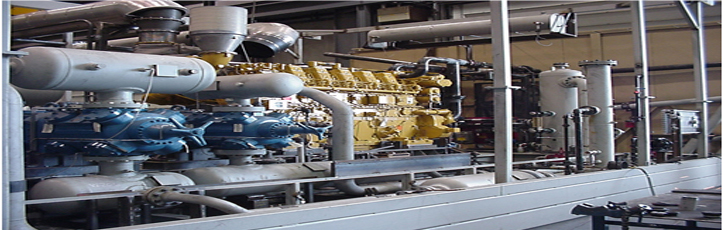
Due to its high strength, excellent weldability, and low-temperature toughness, P355N steel plate is widely used in the following fields:
Pressure Vessel Manufacturing:
Used for manufacturing boilers, gas storage tanks, liquefied gas tanks, reactors, and other pressure vessels, particularly in the petroleum, natural gas, and chemical industries.
Suitable for medium to low temperatures and moderate pressure environments.
Energy Industry:
Used for producing pressure vessel components in thermal and nuclear power plants, such as steam generators and heat exchangers.
Applicable to liquefied natural gas (LNG) storage and transportation equipment.
Mechanical Manufacturing:
Used for manufacturing heavy machinery components requiring high strength and toughness, such as pressure parts in construction machinery.
Pipelines and Storage Tanks:
Used for manufacturing high-pressure pipelines, storage tanks, and related fittings, especially in scenarios requiring low-temperature performance.
Other Industrial Applications:
Suitable for structural components that need to withstand specific pressure and temperature conditions, such as pressure vessels in chemical equipment, pharmaceutical equipment, and food processing equipment.