
-
Executive Standard: SA299 Gr. B steel plates comply with the ASME standard, specifically ASTM A299/A299M.2026-08-26
-
SA299 is a carbon-manganese-silicon steel plate designed for pressure vessels—often referred to as "gas drum steel" under US standards.2026-08-19
-
ntroduction to SA299 Gr.A Steel Plate:
SA299 Gr.A is a steel plate grade designated for boilers and pressure vessels under American standards.2026-08-11 -
A285 Gr.C and SA285 Gr.C steel plates represent the same grade, though they are governed by different standards.2026-08-04
-
SA283 Gr.B is a low-to-medium strength carbon structural steel plate conforming to the American Society of Mechanical Engineers (ASME) standard.2026-07-31
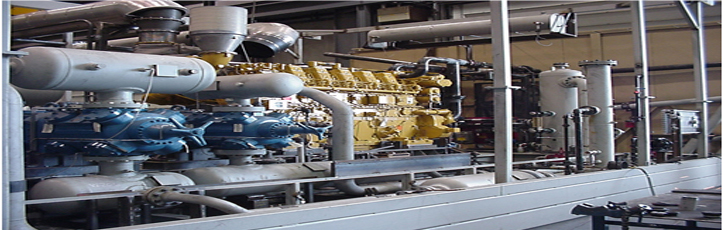
Characteristics of G4109 SCMV2 Steel Plate
1. Pure Chemical Composition with Strict Impurity Control
Phosphorus (P) content: ≤0.010%, significantly lower than standard pressure vessel steels, reducing brittleness risks.
Sulfur (S) content: ≤0.005%, minimizing welding crack susceptibility and enhancing material toughness.
Gas content: Nitrogen ([N]) ≤70 ppm, oxygen ([O]) ≤15 ppm, and hydrogen ([H]) ≤2 ppm, controlled through vacuum degassing and other processes to reduce the impact of inclusions on performance.
2. Excellent Mechanical Properties for Medium- to High-Temperature Applications
Tensile strength: Significantly improved through quenching and tempering (QT) treatment, meeting high-pressure requirements for medium- to high-temperature pressure vessels.
Yield strength: ≥ specified value (refer to standards for exact figures), ensuring no plastic deformation under load.
Impact toughness: Maintains high toughness at low temperatures, preventing brittle fracture and making it suitable for engineering applications in extremely cold regions.
Plasticity and anisotropy: Plasticity and impact toughness are significantly enhanced after heat treatment, improving steel anisotropy and adapting to complex deformation needs.
3. Superior Processing and Welding Performance
Machinability: Supports flame cutting, plasma cutting, CNC bending, and other processes, with minimal springback and high dimensional stability after forming.
Weldability: Compatible with manual arc welding, submerged arc welding, gas shielded welding, and other methods, ensuring welding joint strength matches the base material while meeting toughness standards and reducing welding defect risks.
Cutting performance: Good machinability, rated at 70% (based on 1112 steel as 100%), suitable for mechanical processing.
4. Outstanding Corrosion and High-Temperature Resistance
Corrosion resistance: Enhanced through alloy element design and purity control, extending service life.
High-temperature resistance: Specifically designed for medium- to high-temperature pressure vessels, maintaining stable performance under elevated temperatures to prevent creep and relaxation.